
How To Start A Catering Business: A Comprehensive Guide

Starting a catering business on the side isn’t as daunting as you might think. It’s not going to be everybody’s bag, but if you’re a whizz in the kitchen and enjoy feeding people, it can be a good source of income.
Whether you do it as a side hustle or full time, demand for catered food will always be there, and it offers a flexible and scalable business opportunity.
This comprehensive guide will take you through the steps needed to launch your own catering side hustle in the UK.
Why Choose Catering?
Don’t think that just because you can cook, it should be a breeze to run a catering business. You’ll also need to be able to manage your time effectively, hit targets under pressure and handle the odd awkward customer.
If that doesn’t worry you, running a catering business might be right up your street.
- No need for commercial premises
- Start small and work when it suits (evenings or weekends)
- Offer what suits your strengths - cooked meals, buffets etc
Pick A Niche

You don’t need to be able to offer every catering service going, as this might stretch your time and skills. Pick areas that suit your availability and skills, such as:
- Buffet platters: for office or home delivery.
- Business lunches: regular business during the week.
- Catering for events: parties, weddings etc.
- Meal prep: offering individual meals has become increasingly popular in recent years.
- Street food: having a stall for carnivals etc. This can be great for advertising your services.
If you choose to do part-time catering, focus on one thing and be the best at it.
Legal Requirements
There are certain things that you can’t avoid and must adhere to:
Registration
If you start a catering business, you have to register the business with your local council. This has to be done at least 28 days before you begin trading. The registration is online and is free. Find out more here: Register a Food Business.
Hygiene Certification
You’ll need to get at least a Level 2 Food Hygiene Certificate. These can be done online within one day and can cost as little as £12.50.
Insurance
Insurance cover is a must, and the bare essentials you’ll need are:
- Product Liability Insurance
- Public Liability Insurance
- Employer’s Liability Insurance (if you have any staff)
There are providers such as Simply Business that offer packages specifically for catering side hustles.
Business Registration
If you’re self-employed and earn more than £1,000 during a tax year, you’ll need to register your catering business with HMRC. Seek advice on this if you’re unsure.
Kitchen Set Up
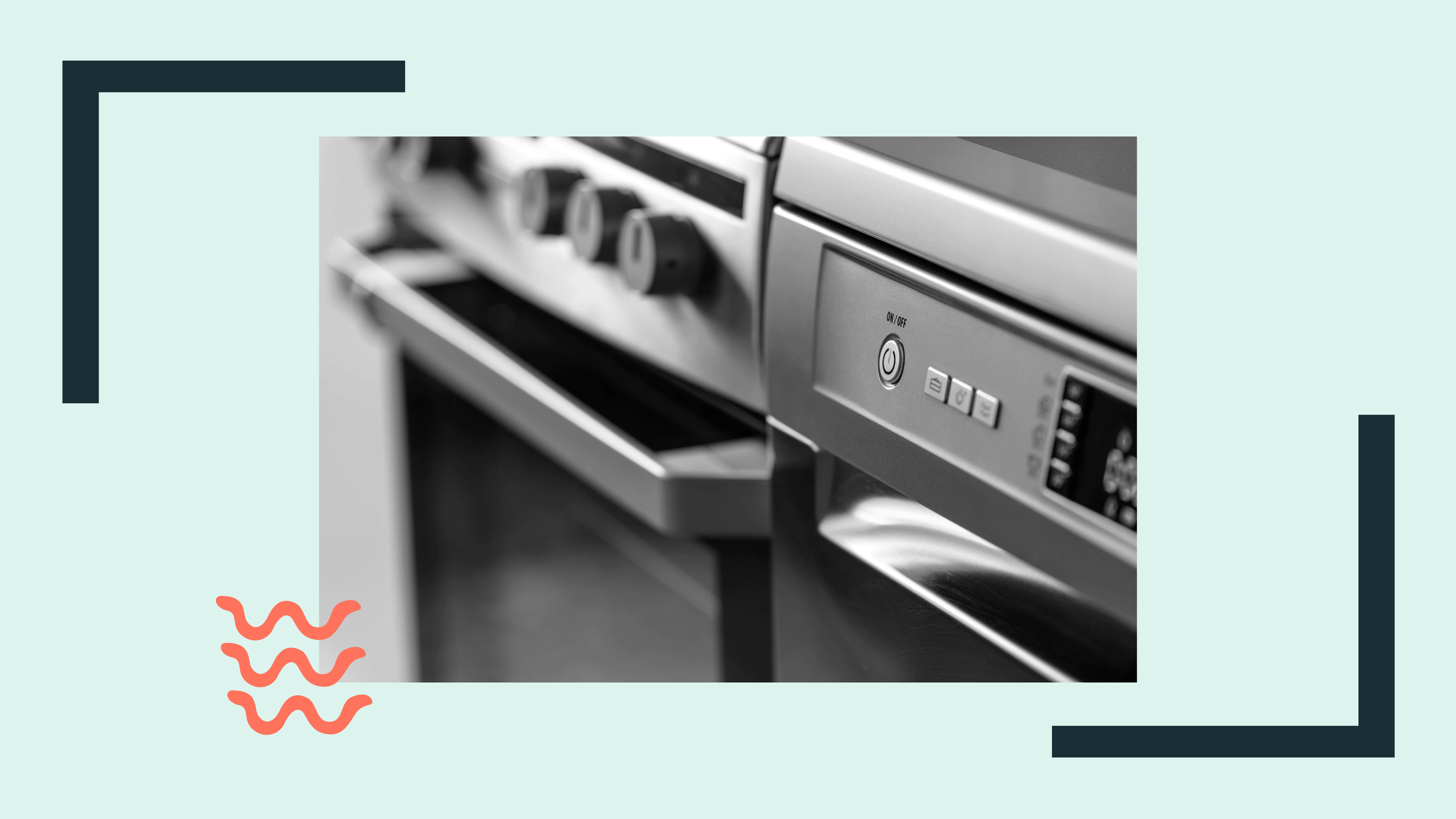
As mentioned, you don’t need to have commercial premises to run a catering business, and you can do it from your own home. However, you must still adhere to hygiene standards.
Be sure to get everything in order as your local council will send an Environmental Health Office to inspect your kitchen. Things to consider:
- No pets are allowed in food preparation areas.
- You must have clean floors, surfaces and storage.
- Keep personal and business food storage separate.
- Have food safety procedures (temperature logs, labels etc).
Create A Menu And Price List
Your selection of foods doesn’t need to be vast or complex - sometimes, simpler is better. It’s worth considering food that:
- Can be increased and decreased easily
- Travels easily
- Has good margins for profit
Make sure you don’t cut your profits too much when setting prices. Try to remain competitive and factor in these elements when deciding on prices:
- Time spent on the business
- Ingredients
- Transport
- Packaging
- Other expenses (insurance, tax etc)
It would definitely be a good idea to use a spreadsheet so you can work out the cost per dish, and then add a margin that will ensure a profit.
Marketing A Catering Business
Business Name
Choose something that is relevant to your service and easy to remember. You should also create a logo for your brand. This can be done for free on Canva.
Website
You don’t need an all singing and dancing website to get started, just a basic site will do the job. Be sure to include the basics though:
- Your services
- Your menu
- Prices
- Contact details
- Food hygiene rating
- Any qualifications you hold
- Client testimonials
Social Media
Social media is used widely in marketing these days and can be considered as an essential part of any marketing strategy. Along with the usual Facebook and Instagram posts, LinkedIn is a great business tool. If you’re not shy of the camera, consider posting on TikTok too.
Other Ways To Get Customers
- Word of mouth - tell friends and family
- Network with complimentary business (florists, event planners etc)
- Leave flyers with local businesses
- Consider offering free sample platters to business
It could be worth going over and above on your first few clients to get good feedback. Arrive early and give generous portions.
Use Your Time Wisely
Time plays a big part when running a catering business as a side hustle. Do what you can to operate the business efficiently:
- Prepare batches of food
- Make templates for things like invoices, checklists etc
- Create your own operating procedures
- Don’t stray from your core menu
Keep Control Of Your Finances
Don’t mix up your personal and business finances. Open a separate business bank account.
Use a good spreadsheet or software such as QuickBooks to track:
- Income from sales
- Food expenses
- Equipment expenses
- Mileage
Remember to set aside funds for any tax liability you might incur.
The Next Steps

Once you’ve got your catering business off the ground, you might have some decisions to make:
- Are you happy to keep running the catering business as a side hustle?
- Can the business be scaled to run as a full-time operation?
- Should you expand your menu and services?
- Do you need to take on additional staff?
You can make the business as big or small as you like, but deciding on your goals will help you to make decisions.
Tips For A Successful Catering Business
- Remain competitive: don’t make losses by undercutting competitors to get customers; it will ruin the business.
- Stick to the menu: be clear what services you offer and don’t agree to extras that stretch you.
- Food safety: don’t ignore hygiene rules. One mistake could see your catering business closed down.
- Don’t overcomplicate things: master a few items so you can repeat them easily and to a high standard. You can expand things later.
- Start slowly: don’t take on big jobs right away. Do a test event or small jobs to begin with whilst you find your feet.
Summary
Starting a catering business as a side hustle is one of the less complicated ventures to try out.
The outlay required to get going is minimal, as you can run the catering business from your own home and kitchen. The main regular outgoings will be for ingredients.
There’s plenty of places to get free advice on food hygiene and relevant qualifications are dirt cheap.
Combine great food with good planning and you’ll soon have your new catering business up and running.